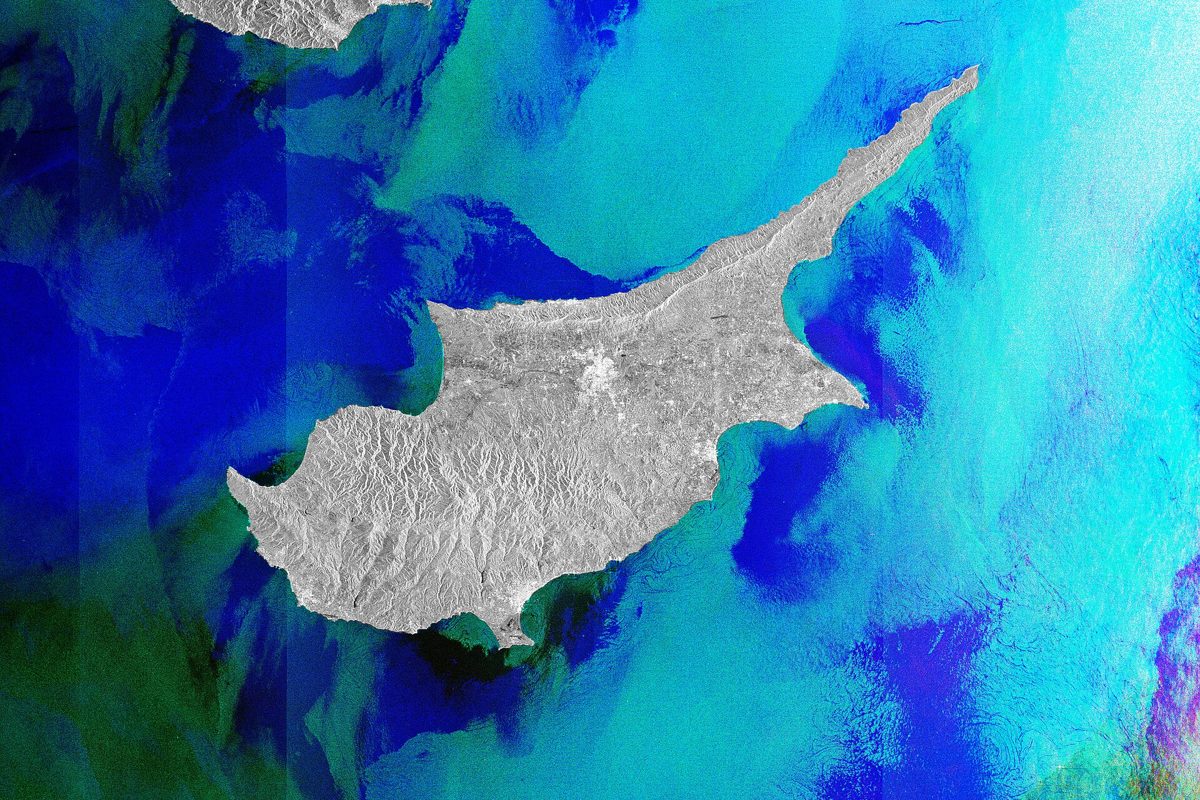

The most recent estimates for the potential production of 3 and 9 trillion cubic feet of gas around Cyprus, adds to the previous discoveries made in 2010 of vast natural gas reservoirs off the northern coast of Israel. For a state not blessed with oil as other countries in the region, the gas discovery came as a significant development with substantial implications on its energy supplies. The dream of making Israel less dependent on foreign oil and gas may very well come to life, potentially making the country more internationally independent, resilient, and surely energy cleaner and greener.
However, as much progress has been made in the deepest waters of the Mediterranean, some diplomatic troubles surfaced above. The good news is that a potential dispute with neighbouring Cyprus was peacefully resolved by signing an agreement on delimiting both Israel and Cyprus Exclusive Economic Zones (EEZ) and on co‐operating in oil and gas exploration around Cyprus. A public display of warmer relations between the two countries was also seen in two presidential visits, by President Christofias of Cyprus to Jerusalem and of President Shimon Peres of Israel to Nicosia.
But the bad news is that this warming relationship is also a source of displeasure for some other actors in the region. Lebanon, for a start, was quick to claim rights on some of the gas deposits, arguing for it to be within its maritime borders. Hezbollah already made statements on the issue, and some in the region are concerned that the Shi’ite organisation might harness the issue as an excuse to attack Israel, or, at least, as a means to pump to domestic public opinion in divided Lebanon.
At the same time Turkey, is publicly challenging the exploration gas fields in the Mediterranean seabed off the coast of Cyprus. The long and familiar dispute over Cyprus emerges once again, and tough language continued to be heard. Most important are the reports on vessels of the Turkish navy escorting the Turkish exploration ship; a sign of determination to forcefully defend what is perceived by Ankara as a national assent.
The potential for escalation is clear, and every support should be given to peacefully resolving disputes on EEZs, as it was agreed between Israel and Cyprus. A similar understanding, if not even a signed agreement, could be reached between Israel and Lebanon. Cyprus, or even other actors, could mediate and facilitate a positive process of resolving such questions. Equally important is to address the Turkish move to deploy naval forces in a defiant move of a nearby member state of the European Union. Turkey should be strongly and firmly encouraged to adhere to its international obligations, and to demonstrate to the international community that it can still live up to its commitment and indeed behave as a responsible member of NATO.
Britain, France and the United States all share interests in this region. None of these countries would like to see another conflict emerging on their doorstep. They must make it a priority to use this crisis as an opportunity to improve diplomatic relations now, and diffuse any potential escalation.