.jpg)
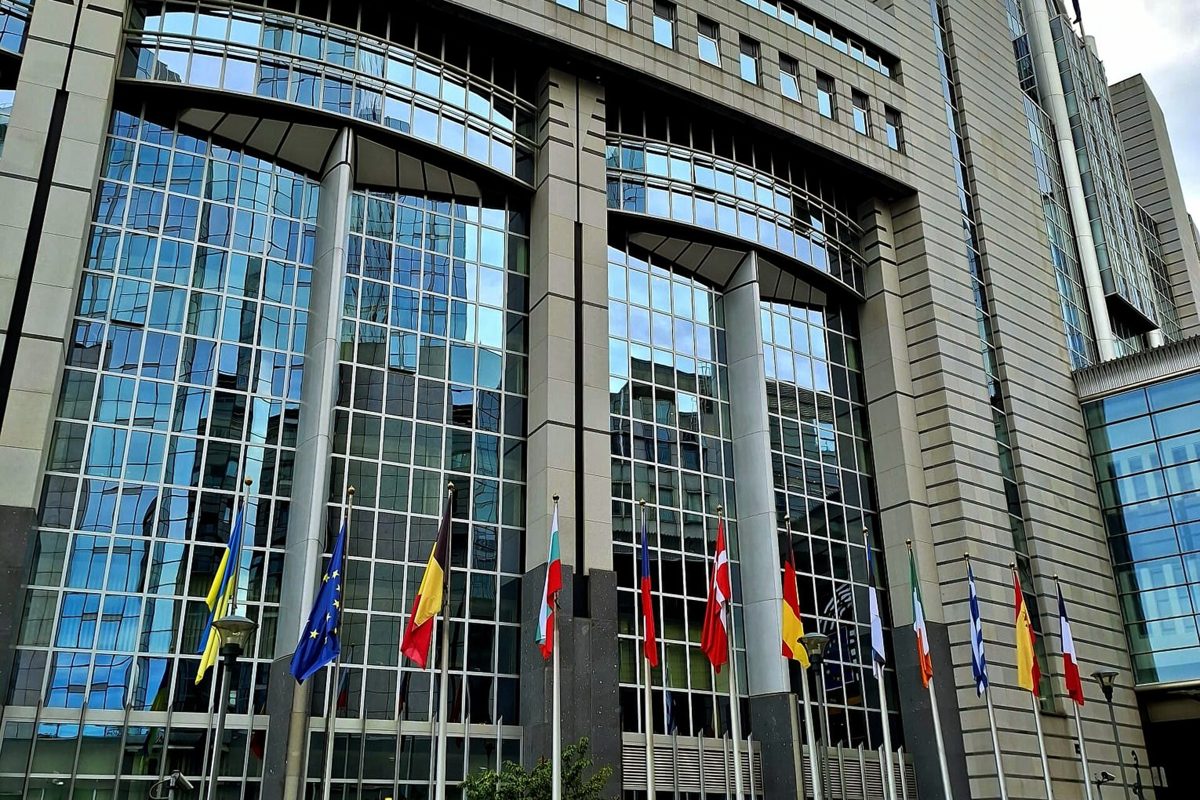
I was delighted, in my capacity as Vice-president of the Royal United Services Institute, to attend an important meeting concerning the Arab Peace Initiative on May 24th organized by the Royal United Services Institute and held at the European Parliament in Brussels. I believe the API offers the best framework for making genuine progress towards resolving the decades-long Arab-Israeli conflict. As I have said before, now is the moment to take concrete action to use the framework of the API to promote that goal. It is my intention to support the valuable work to achieve that objective which the Royal United Services Institute is spearheading.
The meeting convened on May 24th brought together a distinguished body of experts including academics, current and former diplomats and government officials from Israel, the Arab nations, the United States and the European Union. The aim of the meeting was to engage in vigorous discussion and an open exchange of ideas, addressing and examining the political opportunities and challenges that exist in the Middle East, especially in light of the Arab Spring. Matters of economic development, good governance and civil society were also analyzed. How these issues impact on the API and how they are interlinked were explored to provide a solid consensus for the way forward.
There have been over 78 international initiatives attempting to bring peace and stability to the Middle East but I believe the API offers the best way forward. The API contains many benefits which other initiatives have lacked. It is a great bonus that it is known as the Arab Peace Initiative. This makes it much easier to sell to the domestic populations of the Arab world than anything which can be portrayed as being externally imposed, whether it comes from the UN, EU, US, or elsewhere. This also gives it enhanced credibility with the Israeli public since it has had buy in from every major Arab power and emanated from the Arab world.
Rather than an acrimonious recycling of stale accusations which only sustains counter-productive recriminations that have blighted and continue to blight the peace process, the Brussels meeting generated an atmosphere of mutual respect, tolerance and co-operation. Participants adopted a specific, mature and methodical approach with real policy understanding engendered. Areas were highlighted that needed further policy research in order to promote targeted political change in the current turmoil and key priorities were identified for the way forward.
The API provides a potentially holistic transformative foundation to finally and comprehensively bring peace and normal relations between Israel and her Arab neighbours. It has proved its durability and appeal over time having been re-endorsed at the Riyadh summit in 2007 and I believe it contains enough flexibility built into it that it has a chance of achieving lasting and widespread beneficial results.
Given the moribund nature of the current talks and the upheaval convulsing the region the salience of the API nearly ten years on from its original enunciation is vital and possibly the only short to medium term policy blue print for breaking the dangerous log jam and navigating towards a final settlement. The potential of its transformative power and the opportunities it presents are too great to let slip away into the sands of time. Now in 2011 we must re-commit ourselves with ever greater energy and focus to help bring it to fruition. The Brussels meeting of May 24th was a first step in that direction.