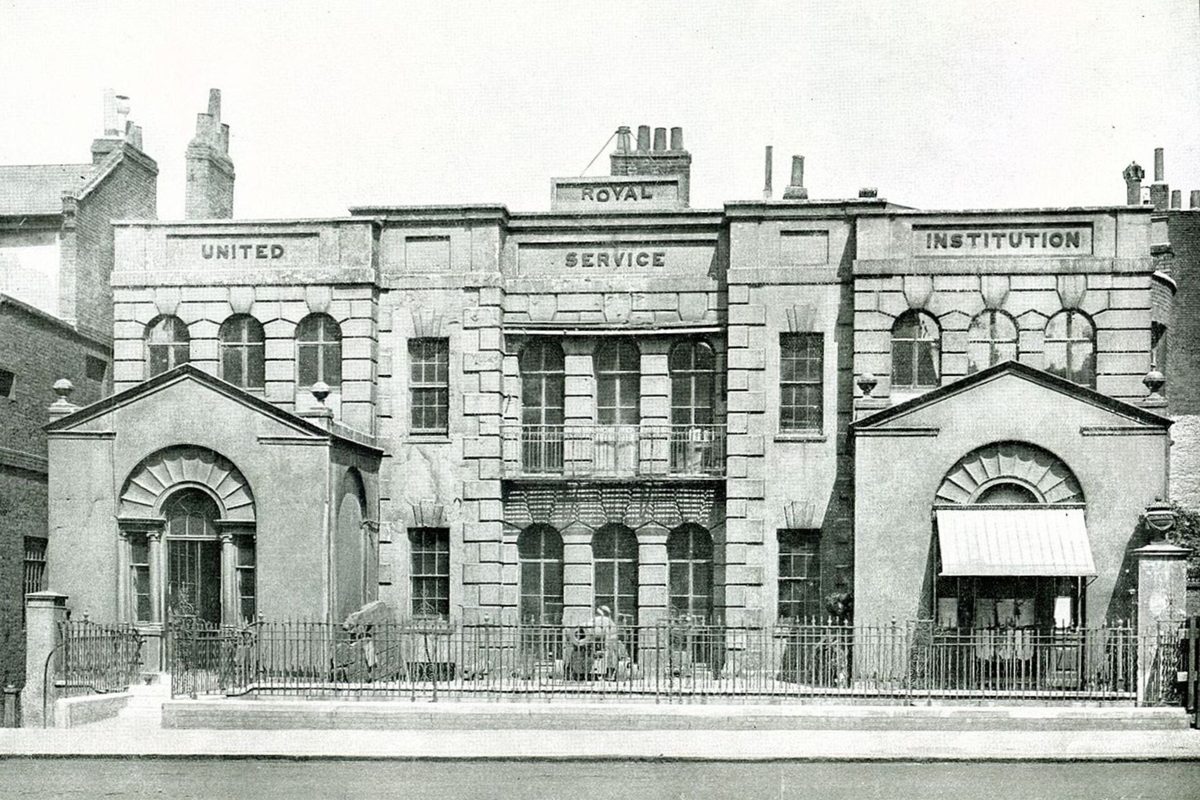

2011 marks the 180th anniversary of The Royal United Services Institute (RUSI). Established by the Duke of Wellington in 1831, RUSI has been at the heart of military, security and foreign policy thinking for most of the 19th and 20th centuries. During this time some of the most influential thinkers on international and defence affairs have worked and spoken at RUSI. RUSI has also been voted the winner of Prospect Magazine’s Think Tank of the Year in 2008-09 and then again with the Foreign Policy Think Tank of the Year award in 2009-10 cementing its reputation as one of Britain’s most prestigious and pre-eminent think tanks under the excellent leadership of Professor Michael Clarke.
Throughout 2011, RUSI will be celebrating its 180 years through a range of activities. Achievements will be highlighted as well as the great debates over policy, that have taken place, and the most influential thinkers and leaders who have contributed to the Institute. The 180th anniversary is a platform for enhancing RUSI into an institute where defence and security debates are given truly international significance, strengthening its research base and where RUSI can maximize its global outreach and impact, projecting thought power not only in the UK and Europe but also in wider form throughout the US, Asia and around the world.
To this end I was delighted in my capacity as Vice-President of RUSI to attend an anniversary event at the Mall Gallery on Friday June 17th. An array of distinguished and influential academics, business leaders, military officers, journalists and politicians from both the US and UK political parties were in attendance to demonstrate their support for RUSI during its 180th anniversary and beyond.
Accomplished figures such as Susan Eisenhower and Georgette Moschbacher from Washington D.C. were among the guests.
By harnessing this dynamic support, especially with the solidarity of representatives of both political parties in Britain and America, new possibilities and potential can be realized and RUSI can anchor its distinctive long history in the key strategic realities of the 21st century, helping to meet the challenges of the new emerging global balance of power, just as it has done before during the reign of the British Empire, the First and Second World Wars, the Cold War, the collapse of the Iron Curtain and the on slaught of 9/11.